A Defined
Engineering Process
Four stages. Clear inputs. Defined outputs. No ambiguity at any point in the signal chain — from initial brief to final delivery.
How We Think About Sound
Defined Before Built
Every session begins with a written brief. Scope, format, delivery spec, and revision terms agreed before a microphone is placed or a plugin opened.
Signal Integrity First
Decisions are made from signal outward — gain staging, headroom, noise floor, and phase coherence before aesthetics.
No Redundant Process
We don't apply processing for its own sake. Every move in the chain has a documented function and a measurable outcome.
Format-Specific Delivery
Output is always format-matched to the intended platform: streaming loudness targets, broadcast specs, or bespoke delivery requirements.
Documented Output
Session files, plugin chains, and processing notes delivered with every project. Full reproducibility guaranteed.
Revision Protocol
Revisions are structured, not open-ended. Each round has a defined scope to maintain project clarity and delivery timelines.
Discovery
The first stage is entirely definitional. We establish what the project is, what it requires technically, and what success looks like before any work begins.
A written project brief is produced and agreed by both parties. This defines: the scope of work, technical specifications, format requirements, revision allocation, timeline, and delivery format.
Nothing proceeds to production until the brief is signed off. This is not bureaucracy — it is the engineering equivalent of reading the specification before writing the code.

Recording / Design
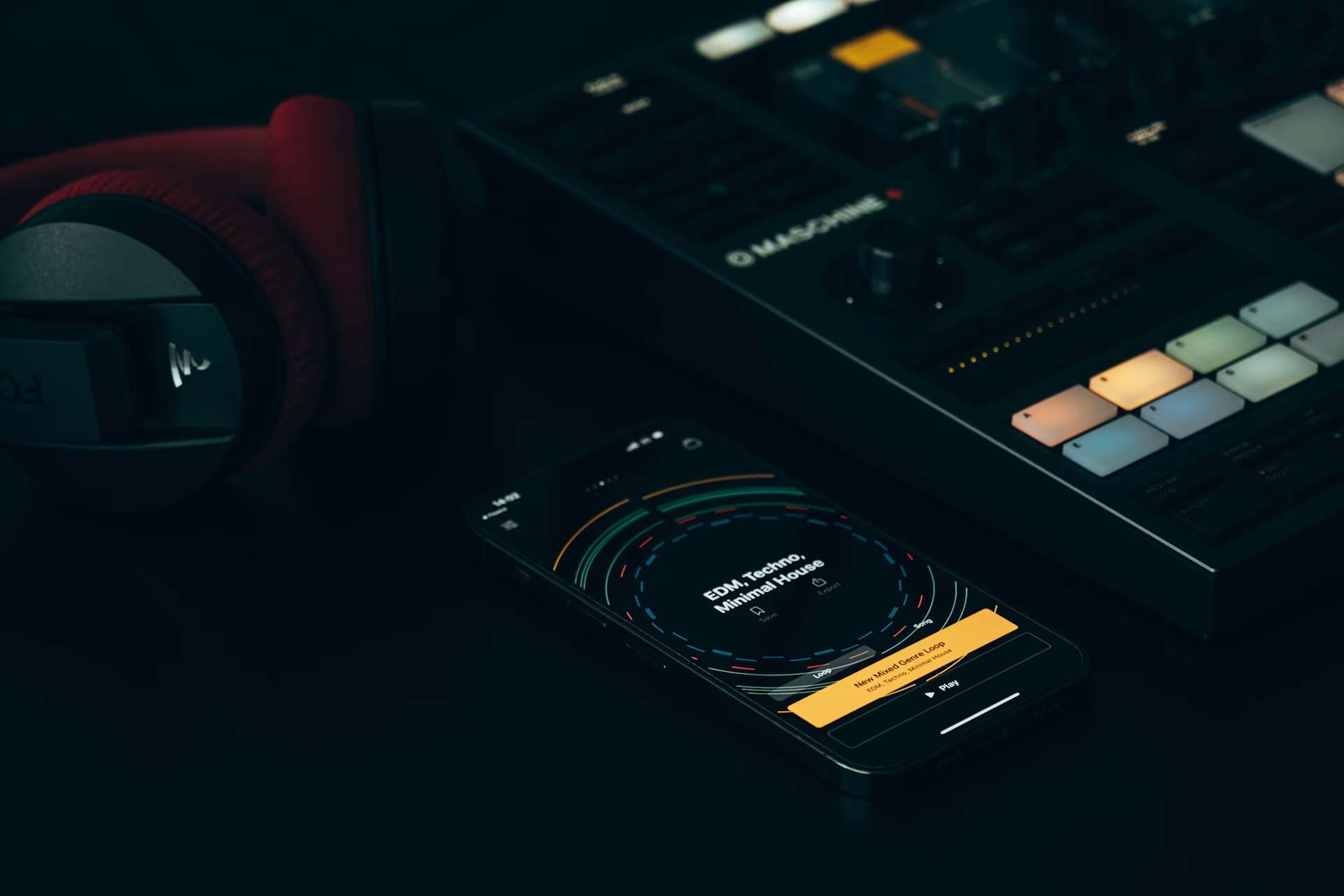
Controlled capture or custom sound construction. The session is set up to the agreed specification — environment prepared, chain configured, levels calibrated.
For recording sessions: pre-session technical preparation, microphone placement testing, and pre-record check. Nothing is assumed.
For sound design commissions: synthesis route agreed in brief. All source material documented. No uncontrolled variables.
Engineering
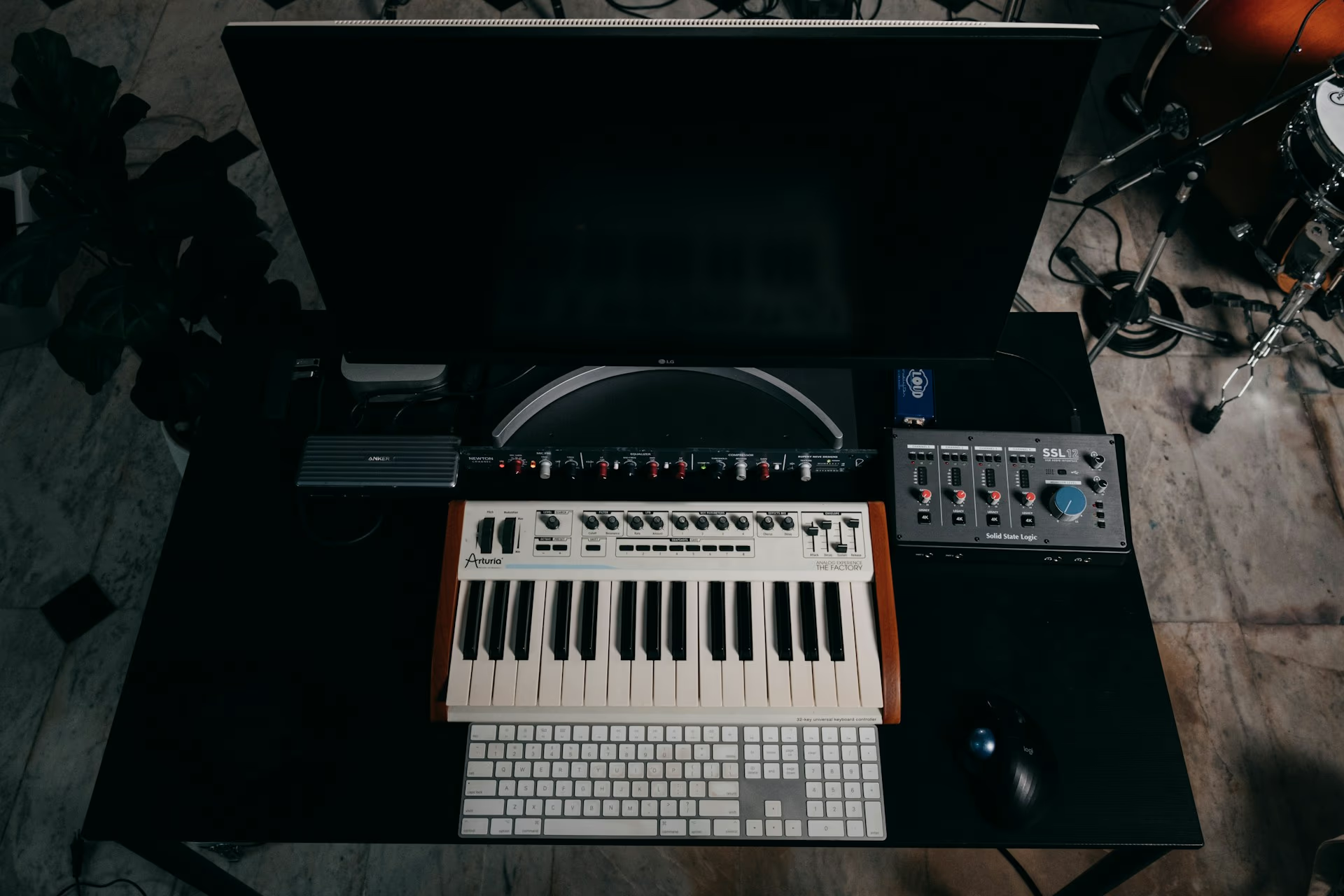
The longest and most technical stage. All source material is now in the session and the engineering process begins: gain staging, EQ, dynamics, spatial processing, and mix bus management.
Processing is applied in order of signal priority: corrective first (noise, phase, frequency issues), then creative (character, space, width). Every plugin has a function note. Every setting is logged.
Reference tracks are used throughout against defined target levels. Comparison checks at —14 LUFS integrated (streaming) or specified target for the intended platform.

Delivery
Final output is format-matched to the agreed specification. Not a generic master — a delivery built for the exact context it will be heard in.
Streaming delivery: WAV + MP3, loudness-normalised to platform spec. Broadcast delivery: to EBU R128 / ITU-R BS.1770 standard. Sync delivery: stems and alt versions included.
All projects delivered with: final rendered files, session backup, processing documentation, and delivery receipt confirming spec met.
Default Session Standards
Our baseline technical parameters for every project unless otherwise agreed.
Start the Process
Submit a brief and we'll respond with a technical scope within two working days.